
In today’s travel market, there are so many hill stations to choose from. Places like Manali, Shimla, Sikkim, and even many offbeat destinations are becoming popular.
But still, Darjeeling continues to sell better than most of them. If you are a travel operator, you might have noticed this clearly. Many clients directly ask for Darjeeling without even exploring other options.
So what makes Darjeeling so strong even today? Why does it still work so well in sales?
Let’s break it down in a simple way.
1. Strong Emotional Connection
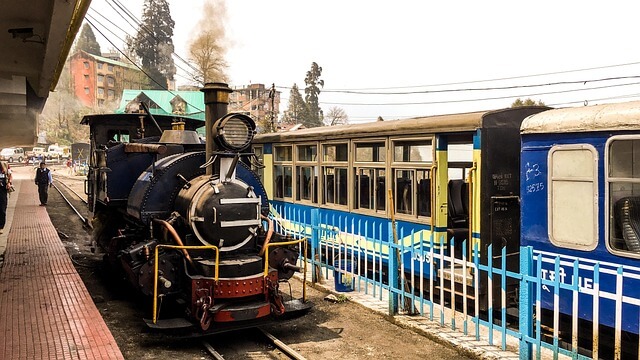
Darjeeling is not just a place, it’s more like a memory for many people. People have grown up hearing about it — old Bollywood movies, songs, school geography books, even stories from parents.
The toy train, tea gardens, foggy roads… it creates a picture in the mind. Because of this, you don’t need to “convince” the client too much. Half the selling is already done emotionally.
2. Easy Choice for First-Time Travelers
For someone who has never been to the mountains, Darjeeling feels like a safe choice. It’s not too extreme, not too remote, and not confusing.
Families especially prefer it because:
- It feels familiar
- It is not risky
- It has basic facilities
Compared to some offbeat or high-altitude places, Darjeeling feels comfortable. For travel operators, this means less explanation and faster decision-making.
3. Good Connectivity Makes a Big Difference
Connectivity is one of the biggest reasons behind Darjeeling’s success.
- Nearest railway station: NJP
- Nearest airport: Bagdogra
After that, it’s a direct road journey.
There are no complicated permits, no long uncertain routes. This makes planning easy for both the operator and the client. In today’s time, convenience matters a lot. And Darjeeling scores well here.
4. Perfect for Short Trips
Not every client has a long vacation. Many people just want a quick 3–4 day break. Darjeeling fits perfectly into that plan.
In a short trip, clients can:
- Visit main attractions
- Relax
- Enjoy local food
- Experience the weather
It feels complete even in less time. That’s a big advantage.
5. Works for Almost Every Type of Client
This is where Darjeeling becomes very strong as a product.
It suits:
- Honeymoon couples
- Families
- Friends
- Solo travelers
You don’t need to create completely different packages every time. Just small changes in hotels or activities can make the same itinerary work for different clients. That flexibility makes it easier to sell again and again.
6. Balanced Travel Experience
Some places are only about adventure. Some are only about relaxation. Darjeeling sits nicely in between.
Clients can:
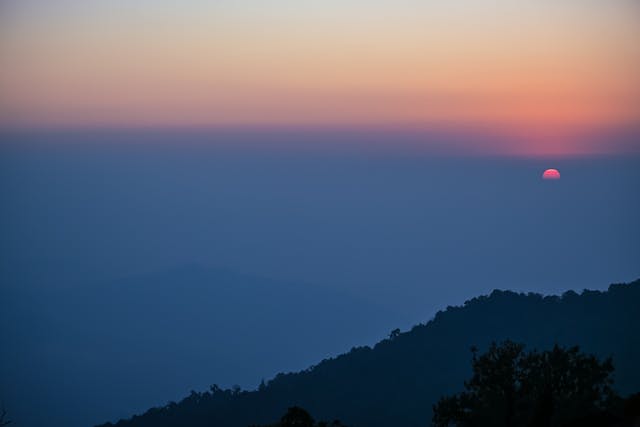
- Watch sunrise at Tiger Hill
- Walk in tea gardens
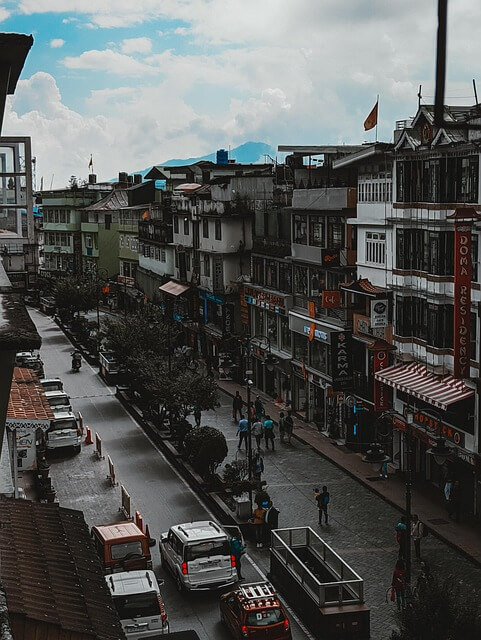
- Explore local markets
- Sit in cafes
It’s not too hectic, and not boring either. This “balanced feel” is something most travelers actually want, even if they don’t say it directly.
7. Budget Flexibility
Pricing is always an important factor. Darjeeling gives you room to adjust.
You can offer:
- Budget packages
- Mid-range stays
- Premium experiences
So even if a client has a tight budget, you can still close the deal. At the same time, you can upsell better hotels or views to increase your margin.
8. Strong Word-of-Mouth
Darjeeling benefits a lot from recommendations. People who have visited usually say good things about it. Simple lines like: “Darjeeling achha hai, ek baar zaroor jaana”
These kinds of suggestions influence new travelers a lot. And as we know, word-of-mouth is one of the strongest forms of marketing in travel.
9. Easy to Combine with Nearby Destinations
Another big advantage is that Darjeeling is not limited on its own.
You can easily combine it with places like:
- Gangtok
- Kalimpong
This helps you create longer and more attractive packages.
Combination tours often:
- Look more valuable to clients
- Increase your package price
- Improve overall profit
And still, they are not too complicated to manage.
10. Familiar Yet Not Boring
Darjeeling is a known destination, but it still doesn’t feel boring.
Why?
Because the experience changes slightly with season and mood.
Sometimes it’s:
- Clear mountain views
- Sometimes fog and mist
- Sometimes lush green surroundings
Even repeat visitors enjoy it again in a different way. This gives you a chance to sell to repeat customers as well.
11. Less Complication Compared to Other Destinations
If we compare Darjeeling with some other hill stations, it is much simpler. No major permit issues. No extreme altitude problems. No heavy planning required.
For operators, this means:
- Fewer last-minute issues
- Less customer complaints
- Smoother execution
And that directly affects your reputation.
12. Instagram and Content Friendly
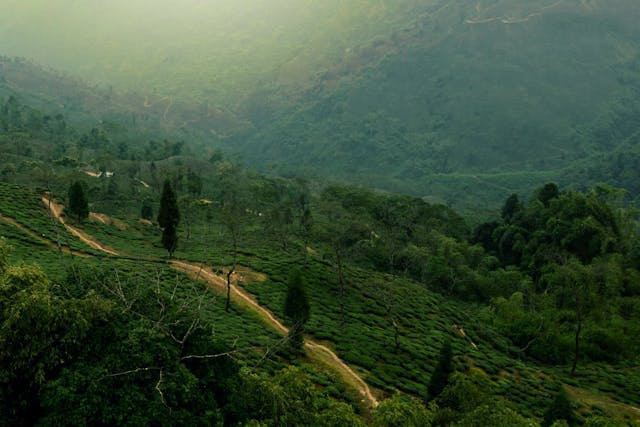
Today, many travelers choose destinations based on photos and reels.
Darjeeling performs really well here.
- Tea gardens
- Cloudy roads
- Mountain views
- Cute cafes
All of this looks very good on social media. This makes it easier for travel operators to market packages online.
13. Strong Local Experience
Darjeeling is not just about sightseeing. It has a strong local vibe — culture, food, people.
Clients can:
- Try local dishes
- Talk to locals
- Experience a slower lifestyle
This makes the trip feel more real and less “touristy”. And that’s something modern travelers are looking for.
Darjeeling is not popular just because of hype. It has been consistently performing well for years.
And the reasons are simple:
- Easy to reach
- Easy to plan
- Easy to sell
- And emotionally strong
For travel operators, this means fewer risks and better conversions. Especially when working with a reliable B2B Darjeeling DMC, the entire process becomes smoother—from planning to execution. In a market where new destinations keep coming, Darjeeling still holds its place.
Sometimes, classic destinations work better than trending ones. If you understand how to position it properly, Darjeeling can become one of your most reliable selling packages.