

On paper, selling North Sikkim looks very easy.
There are snow photos everywhere. Yumthang Valley, Lachung, Lachen, Gurudongmar Lake. Clients ask for snow, and North Sikkim seems like the obvious answer. Many travel agents simply make a package, add two nights in Lachung or Lachen, quote a price, and send it.
But agents who have actually handled North Sikkim know that it is not that simple.
North Sikkim is restricted. It depends heavily on weather. Infrastructure is limited. Movement is controlled by local administration and army permissions. When these realities are not understood, problems start very early, sometimes even before the tour begins.
Below are some common mistakes travel agents make while selling North Sikkim, and why these mistakes create issues later.
Treating North Sikkim like a Normal Hill Station
This is where most problems start.
North Sikkim is not like Darjeeling or Manali. It is a protected area. Permits are required. Vehicle movement is controlled. Hotels are limited. Weather can change suddenly.
Still, many agents plan it casually. They confirm flights and hotels first and assume permits will be managed later. On ground, it works the other way around. Without permits, nothing moves.
When agents treat North Sikkim like a regular destination, clients are not mentally prepared for delays, changes, or cancellations. That is when frustration begins.
Promising Gurudongmar Lake without Explaining the Risk
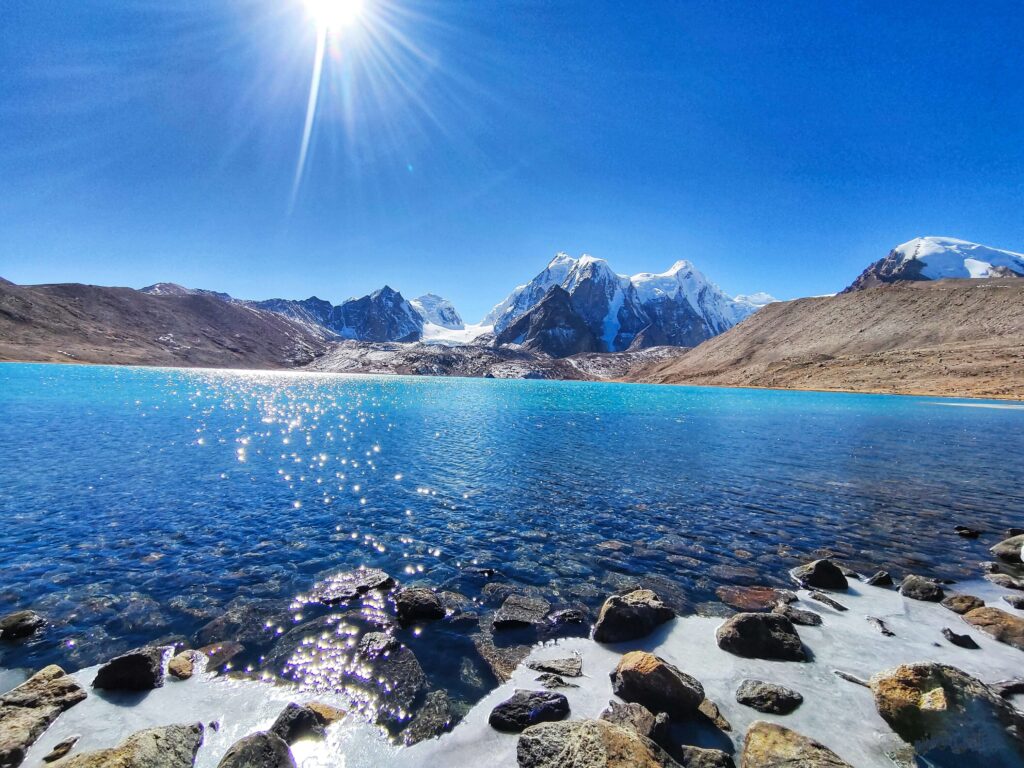
Gurudongmar Lake is the main attraction in North Sikkim. Clients ask for it directly, and many agents promise it confidently.
What often gets missed is that Gurudongmar is completely dependent on weather, road condition, and army permission. Even if everything looks fine one day before, the route can still be closed on the travel day.
When the lake is cancelled, clients feel cheated. Not because it was cancelled, but because no one told them it was never guaranteed.
If agents clearly explain that Gurudongmar Lake is subject to permission and weather, most clients understand. The problem comes only when expectations are set wrongly.
Not Understanding how Permits Actually Work
Permits are the backbone of North Sikkim travel.
Many agents think permits are issued destination wise. In reality, they are issued route wise and day wise. If a particular route is denied, the vehicle cannot move, even if hotels are booked.
Another mistake is assuming permits can be arranged instantly. They depend on correct documents, nationality of travelers, and local administration decisions.
When permit timelines are ignored, agents are forced to change or cancel plans at the last moment, which damages trust.Ignoring Vehicle and Driver Rules
North Sikkim does not allow just any vehicle. Only registered local vehicles with approved drivers are allowed on North Sikkim routes. Some agents book cheaper vehicles from Gangtok without checking if they are eligible.
On the travel day, permits get rejected or vehicles have to be changed suddenly. This creates delay and confusion for clients. This is where local ground knowledge matters. Agents who work with experienced local operators usually avoid this mistake.
Overpromising Hotel Quality
Hotel conditions in North Sikkim are basic. This is a reality.
Lachung and Lachen are remote villages. Electricity can be limited. Heating may not work properly. Water supply can be irregular, especially in peak season.
Some agents show clients luxury hotel photos or compare these stays with Gangtok or Darjeeling. This creates unrealistic expectations.
When guests reach and see simple rooms and basic facilities, complaints start. Honest explanation beforehand avoids most of these issues.
Underestimating Travel Time and Fatigue
Travel days in North Sikkim are long.
Roads are narrow and weather affected. Landslides or traffic checks can slow things down. Gangtok to Lachung or Lachen can take much longer than expected.
Agents often design tight itineraries without buffer time. This puts pressure on drivers and guests. Families and senior travelers feel the strain the most. When travel time is explained properly, clients are mentally prepared and more cooperative.
Selling North Sikkim to every Client
North Sikkim is not suitable for everyone.
High altitude, cold weather, long travel hours, and limited medical facilities can be challenging. Elderly travelers, people with breathing or heart issues, and very young children may face problems.
Many agents skip this discussion and sell the package anyway. When health issues arise, agents are blamed for poor planning.
Sometimes, the right decision is to suggest West or South Sikkim instead to such clients.
Not Planning a Backup Option

In North Sikkim, disruptions are common. Snowfall, landslides, or administrative restrictions can cancel routes with very little notice. Agents who do not plan a backup get stuck when this happens.
Even a simple alternative like extra time in Gangtok or nearby sightseeing helps. Clients feel more secure when they know there is a plan B.
Quoting Without Understanding Real Costs
North Sikkim operations are expensive.
Permits, limited vehicles, restricted hotels, and operational risk all add to the cost. Some agents quote very low prices just to win the booking.
Later, they either face losses or compromise services. Both situations damage credibility. Agents who understand true costs price more confidently and transparently.
Trying to Manage Everything Remotely
Many problems happen because agents try to manage North Sikkim without local support.
Daily ground conditions change fast. Permits, roads, and weather need local monitoring. Agents who rely only on online information often miss these details.
Working with a reliable local Sikkim DMC helps agents stay updated and manage changes better.
North Sikkim is a beautiful destination, but it is also sensitive and unpredictable.
Most problems do not happen because the destination is bad. They happen because it is oversimplified during selling.
Agents who communicate honestly, plan buffers, understand permits, and respect ground realities sell North Sikkim more smoothly. Those who treat it like a regular hill station face cancellations, complaints, and loss of trust.
Selling North Sikkim well is not about big promises.
It is about correct information and realistic planning.