
Darjeeling is a hill town where food is simple and comforting. Because of the cold weather and steep roads, people prefer food that is warm, filling, and easy to eat. Street food in Darjeeling plays an important role in daily life. Locals eat it every day, not just tourists.
Most street food in Darjeeling comes from Nepali and Tibetan culture. You will see small stalls near markets, roadsides, and walking areas. The food is cooked fresh and served hot. This guide explains the most common street foods you should know before visiting Darjeeling.
Momo
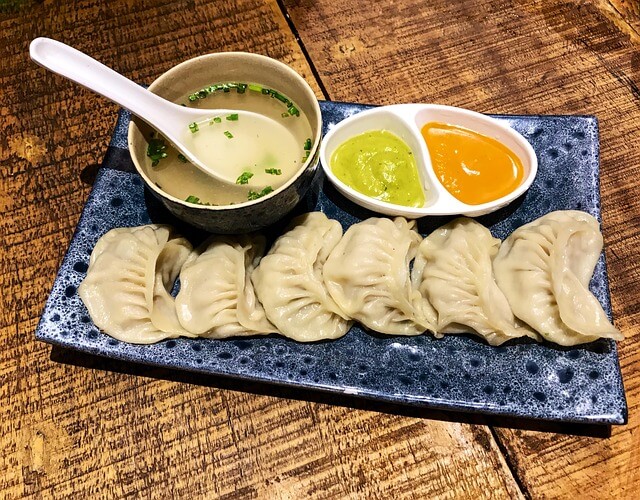
Momo are everywhere. You don’t have to search for them. You will smell them before you see them.
They are dumplings made from flour dough, filled with vegetables or meat. Most are steamed. Fried momo are there, but steamed ones are more common. They come hot, straight from the steamer, with red chilli chutney.
People eat momo mostly in the evening. Students eat them after classes. Office people eat them before going home. Tourists eat them because everyone says you must. You usually eat standing, holding a plate, talking a bit, then moving on.
In Darjeeling, momo are not special food. They are everyday food.
Thukpa
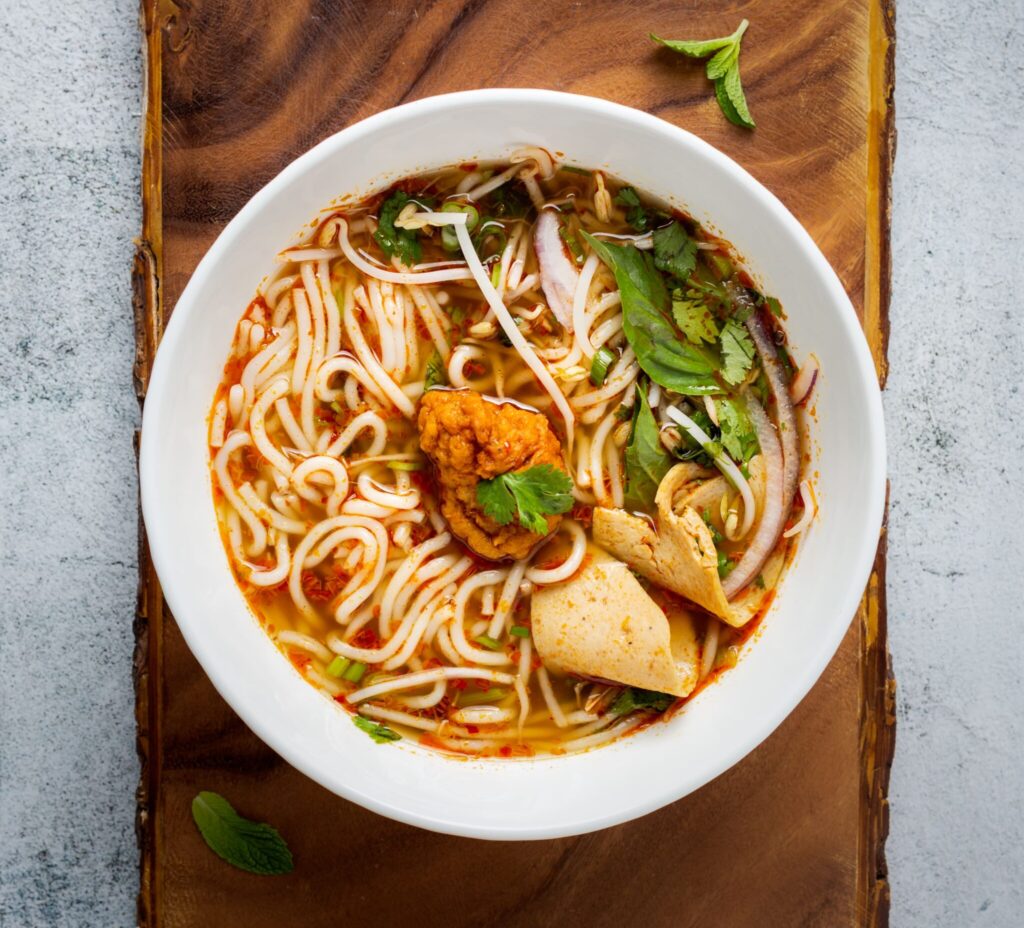
Thukpa is for days when you feel cold inside your bones.
It’s a noodle soup. Not thick. Not heavy. Just warm and comforting. It has noodles, vegetables, and sometimes meat, all in a light soup. The taste is simple. No strong masala.
Locals like thukpa at night, especially after long days. Tourists also like it because it feels safe and familiar but still local. You eat it slowly. First the soup, then the noodles.
When fog comes in and the air feels damp, thukpa makes sense.
Sha phaley
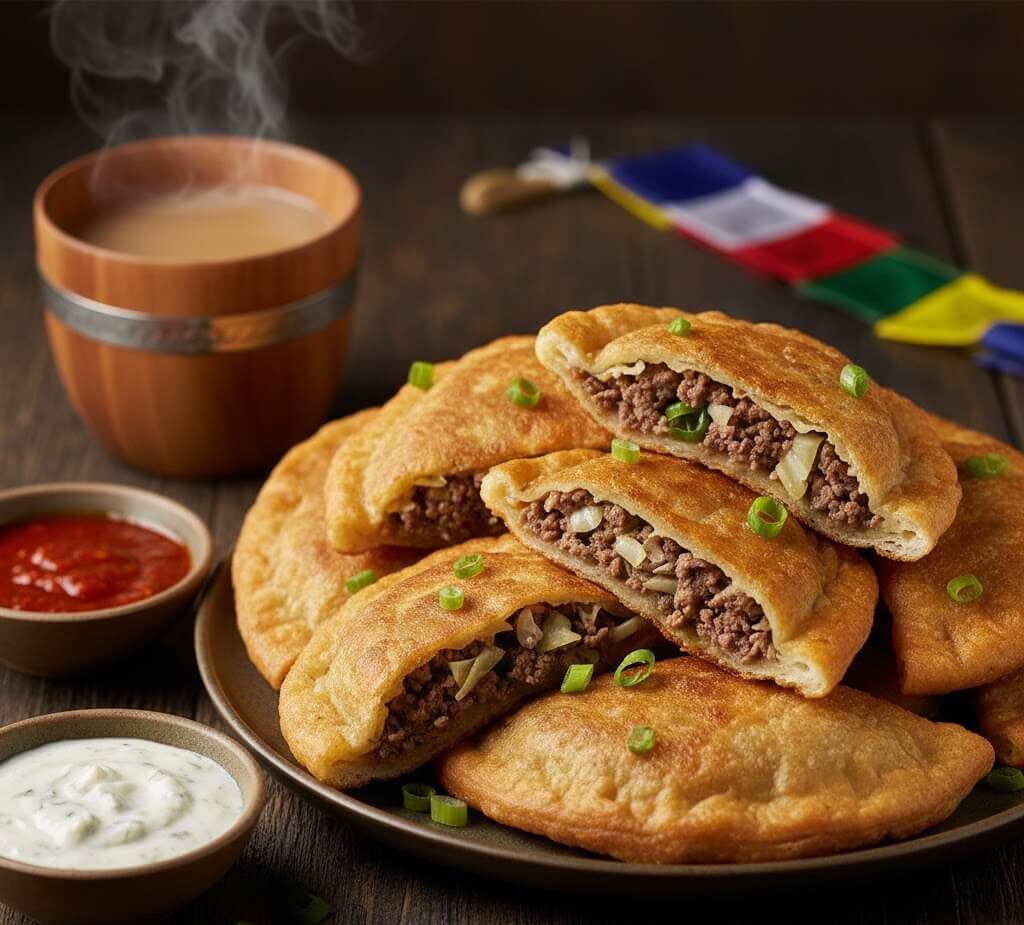
Sha phaley is not light food. It’s for proper hunger.
It’s a big fried bread with stuffing inside. Usually meat. Sometimes vegetables. The outside is crispy. Inside is soft and hot. When it’s fresh, steam comes out when you break it.
Most people eat just one. It’s filling. You don’t rush it because it’s hot and heavy. You eat it with chilli sauce, standing near the stall.
Sha phaley is common around Tibetan-style food areas.
Aloo Dum or Aloo Mimi
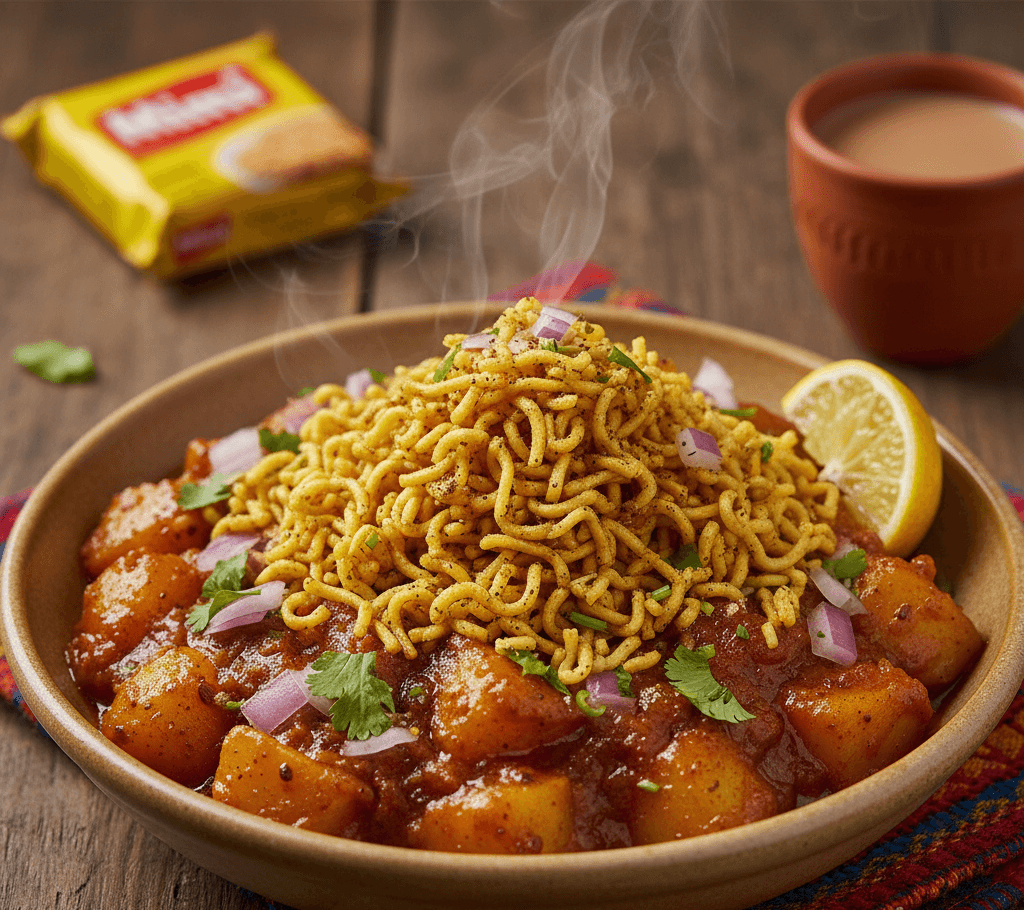
Aloo dum is very simple. Potatoes cooked with spices. That’s it.
But it works. It’s spicy enough. Filling enough. Cheap enough. Locals eat it without thinking. During the day. While shopping. While waiting.
Some eat it with bread. Some eat it alone with a spoon. You’ll see people standing with small plates, eating fast.
It’s not fancy food. It’s daily food and one of the famous street food in Darjeeling.
Sel Roti
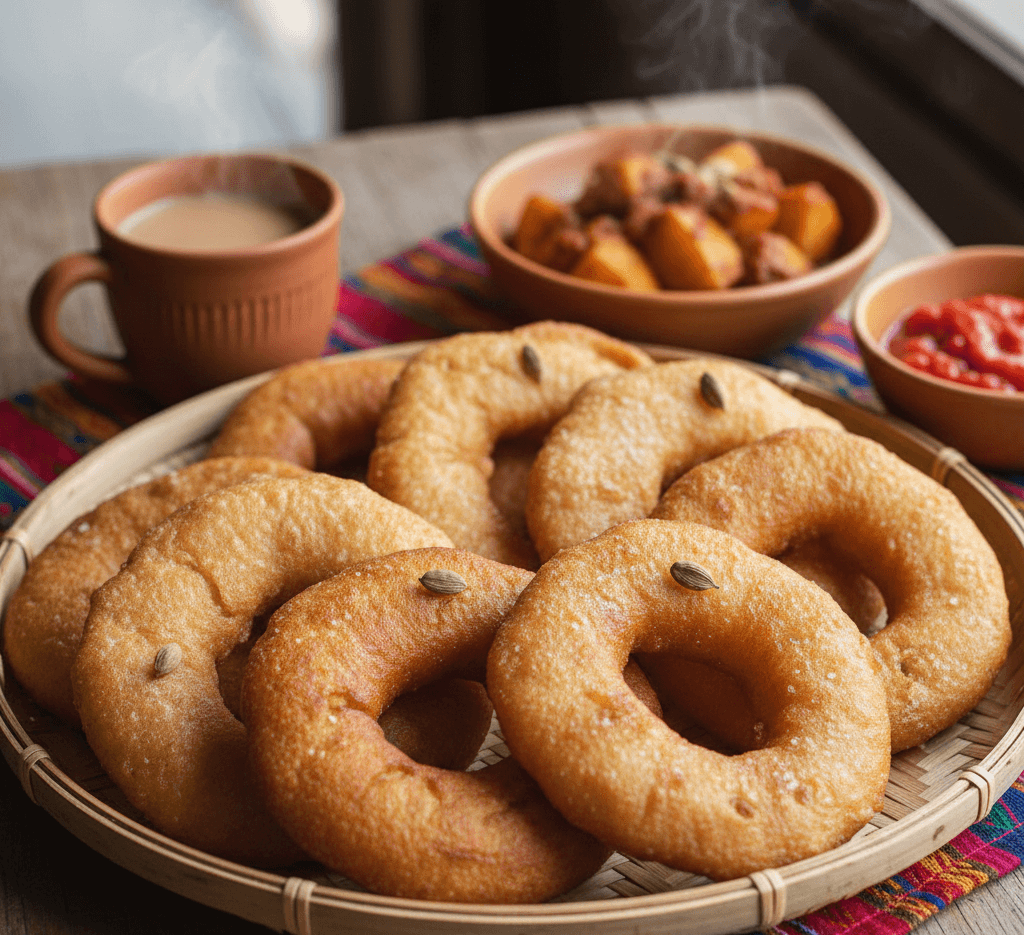
Sel roti is different. It’s not eaten all the time.
It’s made from rice flour, shaped like a ring, and fried. Slightly sweet. Not dessert sweet. Just mild.
People usually eat sel roti with tea. Sometimes with potato curry. It’s more common during festivals, but you can find it on normal days too.Crunchy outside. Soft inside. Easy to eat.
It’s one of the tastiest street food in Darjeeling.
Churpee
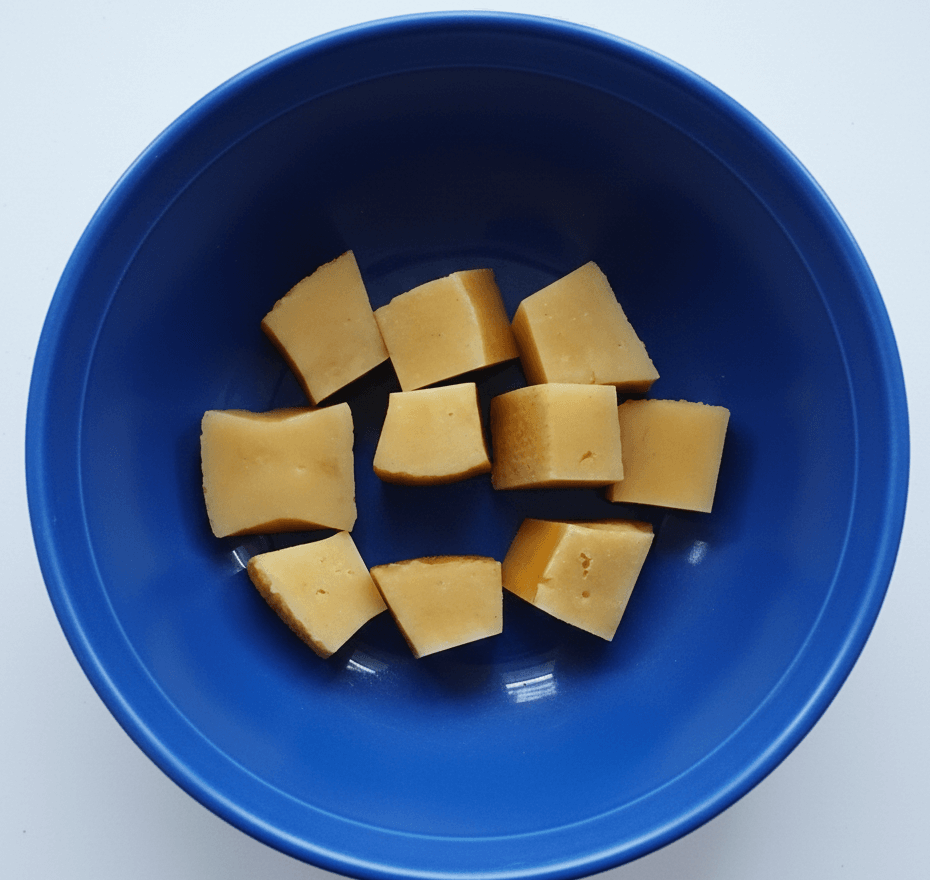
Churpee is local candy. Very local.
It’s cheese made from milk. Some types are soft. Some are very hard. The hard one is chewed slowly. Very slowly. Like chewing gum.
Not everyone likes churpee. Many visitors find it strange. Locals enjoy it because they grew up with it. It’s more of a habit snack than food.
You’ll mostly find it in local markets.
Tea in Darjeeling
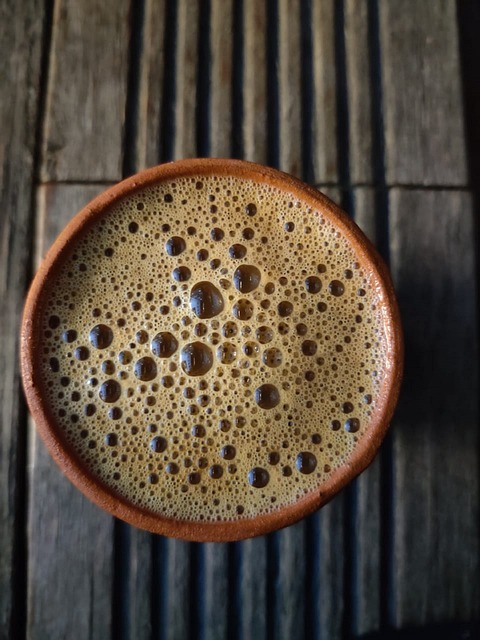
Tea is everywhere. People drink tea many times a day.
Small tea stalls are part of daily life. People stop for tea, talk for a few minutes, then leave. No sitting for long.
Darjeeling tea is light and smells good. Milk tea and black tea are both common. Tea keeps people warm and moving.
Holding a hot cup of tea while mist rolls in feels normal here.
Where Street Food Is Found in Darjeeling
You really do not need a guide to find street food in Darjeeling.
If people are there, food will be there.
Walk around Mall Road in the evening. Near Chowk Bazaar, near small markets, near walking roads, and close to bus stands. These are the places where stalls slowly start appearing. Some are permanent, some come only in the evening.
Evenings are the best time. By late afternoon, more vendors open their stalls. Food is cooked fresh. Steam comes out of big pots. The smell tells you what is being made.
You will see locals stopping after work. Students hanging around. Taxi drivers grabbing a quick bite. If locals are eating from a stall, it is usually safe and good.
Do not expect chairs and tables everywhere. Most people stand, eat, talk for a few minutes, and move on. That is how street food works here. If you need a break, there are also plenty of cozy cafes nearby.
Street food in Darjeeling is not about trying everything or finding famous spots. It is about slowing down and eating what feels right at that moment. A plate of momos when the weather turns cold. A bowl of thukpa when you feel tired after walking. Sel roti with tea when you want something simple.
You do not need to plan much. Just walk. Look around. Follow the crowd. If a place feels busy and locals are eating there, it is usually a good sign.
Eat small portions. Try one thing at a time. Enjoy the food while standing on the road, watching people pass by. That is part of the experience.