

A first trip to Bhutan is something many travelers dream of. You think of tall mountains, peaceful valleys, ancient temples, friendly people and unique culture. But Bhutan is different from many other places. It does not work like a usual tourist destination. You need to understand its rules before you go. With the right planning you can make your trip safe, smooth and full of great memories.
In this blog, we are sharing tips on how to plan your first trip to Bhutan in a simple way. We will include what documents you need, when to go, how to travel inside the country, where to stay, money matters and other necessary things.
Start with Research

Before you book flights or hotels take time to research while planning trip to Bhutan. Read official government travel pages, trusted travel blogs, trip reviews and local tourism sites. Bhutan’s tourism policy is different from other places. Its rules on visas, permits and fees are important to know. If you plan without understanding these rules you could face surprises later.
Research tells you what to expect in places like Paro, Thimphu, Punakha, Phobjikha and Bumthang. You learn about culture, weather, safety and travel conditions. This helps you make decisions that fit your travel style and budget.
Passport and Visa Pass
Every traveler needs a valid passport. Your passport must be valid for at least six months from your intended date of travel. This rule is common in many countries but in Bhutan it is always checked carefully.
Most international visitors must get a visa pass before travel. A visa pass is arranged by a licensed Bhutan tour operator. You cannot apply for it by yourself. The tour operator applies to the Tourism Council of Bhutan for your visa permission. You submit your passport information, travel dates and details to the operator. They process this on your behalf.
Once your visa is approved you get a confirmation document. You must carry this when you travel. The visa stamp is usually put in your passport when you arrive in Bhutan.
If you are from India you do not need a visa. However you still need an entry permit. You get the entry permit at the border or at Paro airport. The permit allows you to travel inside the country. Indian tourists may need additional permits if they plan to go to special areas. So, do keep these things in mind during your trip to Bhutan.
Permits for Special Areas
Bhutan has some areas that require extra permits. If you want to visit Haa, Bumthang or some high valleys you may need a special route permit. Sometimes the permit is given after arrival. Other times it is arranged before travel. This depends on where you are going and how you enter Bhutan.
Your tour operator can help you with all permit details for your trip to Bhutan. Good operators know the rules well. This is one reason why choosing the right Bhutan DMC matters. They save you time, help you avoid mistakes and make sure you have the correct documents for every part of your trip.
Fees and Daily Charge
Bhutan is unique in how it manages visitors. Most international tourists pay a daily fee that goes toward the country’s development and environmental goals. This cost is often called the sustainable development fee. It supports schools, roads, health and nature protection.
For most international visitors this fee is around one hundred US dollars per person per day. For Indian visitors the fee is lower (Rs. 1200 per day) and paid in local currency. This daily cost is usually included in your tour package.
When you speak with tour operators ask exactly what is included in the price. Many times the daily fees, hotel costs, meals, transport and guide services are bundled. Knowing what is included helps avoid hidden charges later.
When to Visit Bhutan
Choosing the right time for your trip to Bhutan is important. Bhutan’s weather changes with the seasons and affects how you see the country. Spring from March to May is a good time to visit. The weather is mild and flowers are blooming. Many local festivals take place in spring. This is one of the best seasons for culture lovers.
September to November is another good season. The skies are clear which makes mountain views beautiful. Treks and hikes are easier in these months. Many travelers prefer these months for outdoor activities.
Winter from December to February can be cold. The mountain peaks are covered in snow. If you like quiet places and don’t mind the cold, winter can be peaceful.
Monsoon season from July to September brings rain. Heavy rain can make some roads slow and muddy. Travel is still possible but you must plan carefully.
When you research weather and seasons you understand what to expect on your trip. If your travel dates are flexible choose the months that fit your interests and comfort.
Travel and Transport Inside Bhutan
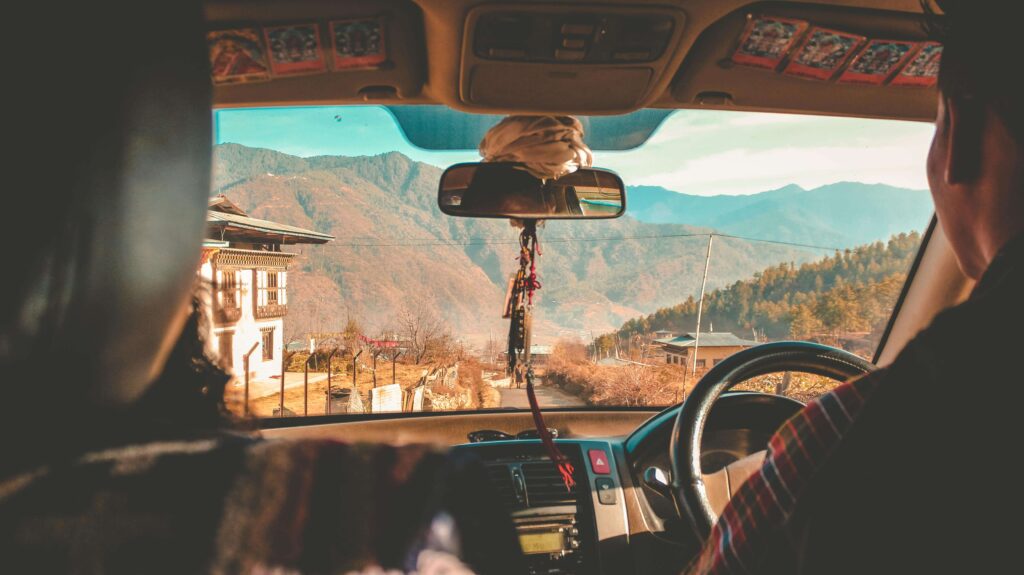
Bhutan’s roads run through mountains. Travel from one town to another can take time. Distances might seem short on a map but mountain roads are winding. Most travelers start their journey in Paro. Paro has the only international airport. The landing itself is scenic and often described as a once in a lifetime experience.
From Paro you can travel by road to places like Thimphu, Punakha and Bumthang. Many visitors choose private transport with a driver. This makes travel easier and safer.
Public transport exists but it can be slower and less comfortable for foreign visitors. Many travelers feel more relaxed with private transport booked through their tour operator.
Where to Stay
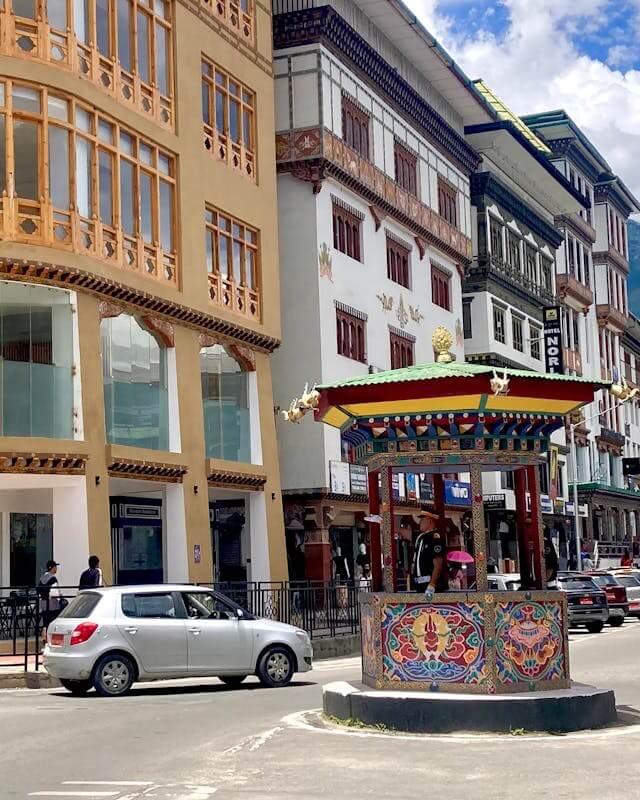
Bhutan has many stay options, nothing too fancy everywhere, but decent and comfortable. You will find small guest houses, normal hotels and in some places good lodges also. Since Bhutan allows limited tourists, hotels get full very fast, specially in peak season. If you book late, choices become less. Better to book early and be relaxed.
Try to stay near town areas or close to main places. It helps a lot. You don’t waste time in travelling again and again. After guided tours also, you can just walk around, explore nearby, have tea, and enjoy the place slowly.
Respect the Culture
Bhutan people are very calm and respectful. Culture is taken seriously there. When you visit temples or monasteries, wear simple clothes and remove shoes if asked. Always ask before taking photos, specially of monks or local people. These small things matter a lot.
Bhutan is safe, no doubt. Locals are helpful and kind. Still, follow rules and listen to guides in your trip to Bhutan. They know the place better. Doing this avoids unnecessary problems and keeps the trip smooth.
Planning your first Bhutan trip takes some effort, yes. But it is totally worth it. Check visa and permits properly, decide the season, and book hotels and transport on time. Respect the culture and don’t rush. Bhutan is not a place to hurry.
With good planning and the right people handling your trip, trip to Bhutan will feel peaceful, safe and memorable. And honestly, that is what makes Bhutan special, isn’t it?