
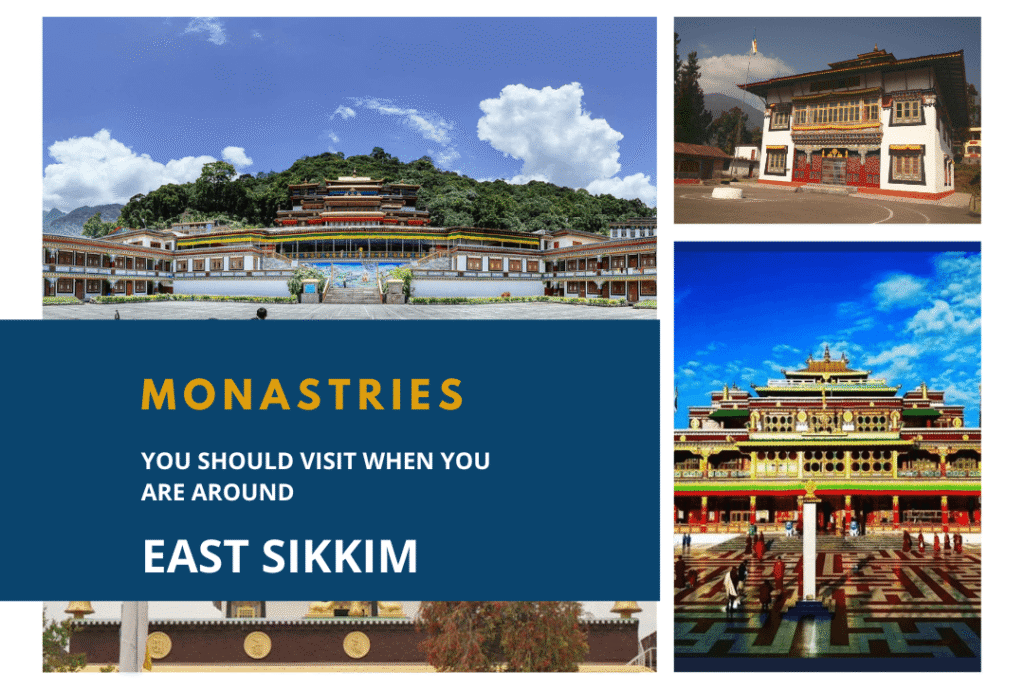
When people plan a Sikkim trip, most of the time they think about mountains, snow, lakes, and viewpoints. Very few people think about monasteries properly. They add one or two because it is “included in sightseeing” and move on.
But if you really want to understand Sikkim, you cannot skip monasteries. This state runs on faith. Monasteries are not showpieces here. They are part of daily life.
If you are staying in Gangtok or travelling around East Sikkim, you will come across many monasteries. Some are famous, some are quiet, and some you may not even find on Google easily. But each one has its own importance.
Let us walk you through the monasteries people usually cover from East Sikkim, and what you should actually know about them.
Enchey Monastery
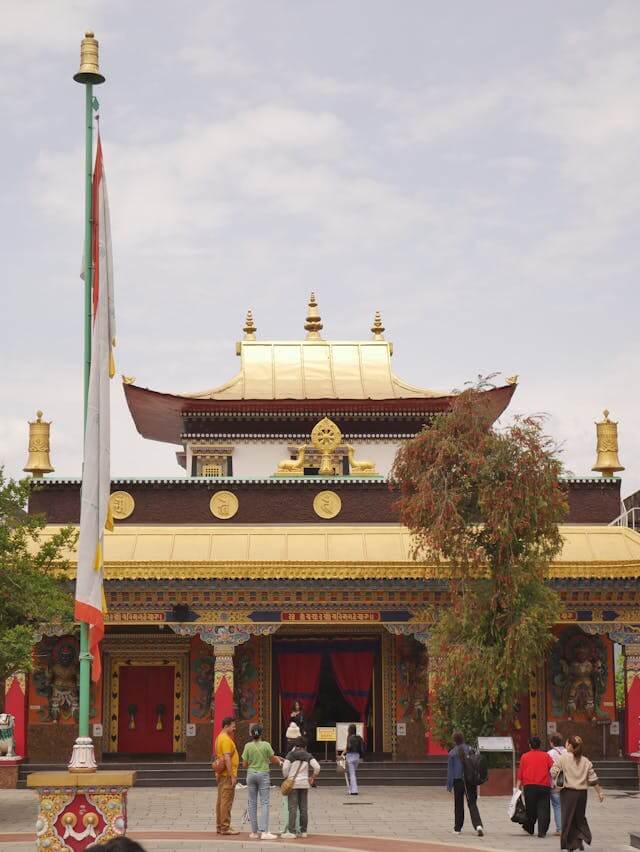
Enchey Monastery is usually the first monastery most people visit in Gangtok. It is close to the city and easy to reach.
When you enter Enchey, the first thing you feel is calm. Even though Gangtok is nearby, the noise does not reach here. You will see monks walking around, sometimes chanting softly, sometimes just going about their routine.
This monastery belongs to the Nyingma tradition, which is one of the oldest schools of Buddhism in Sikkim. Locals respect this place a lot. During annual festivals, people from nearby areas come to watch masked dances. These dances are not done for tourists. They are religious rituals.
If this is your first monastery visit in Sikkim, Enchey is a good place to start. It helps you slow down.
Lingdum Monastery
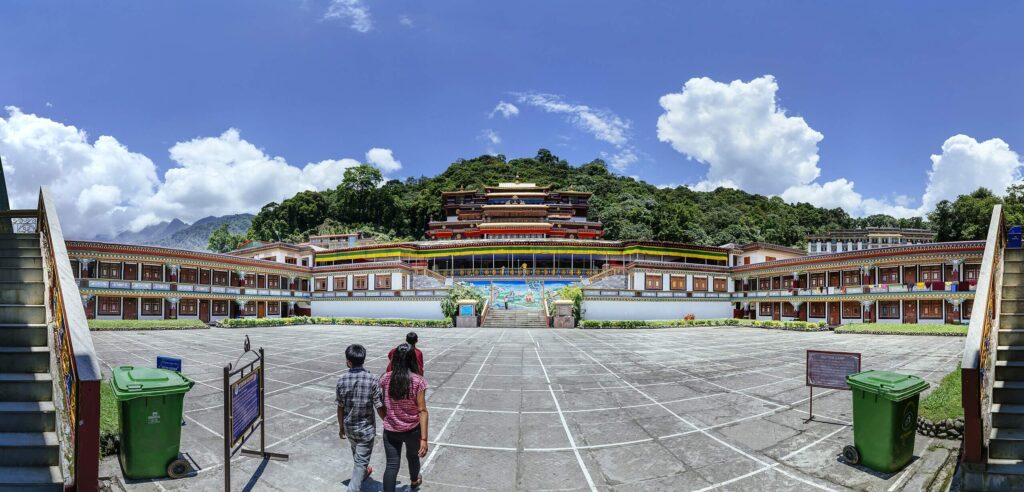
Most people know this as Ranka Monastery. Some call it Lingdum. It is the same place.
This monastery feels very different from Enchey. It is more open, cleaner in design, and very quiet. It follows the Karma Kagyu school of Buddhism.
People usually like Lingdum because it does not feel crowded. You can actually sit here for some time without being rushed. You will often see young monks studying or walking quietly.
This is the kind of place where you do not need to do anything. Just sit. That is enough.
Gonjang Monastery
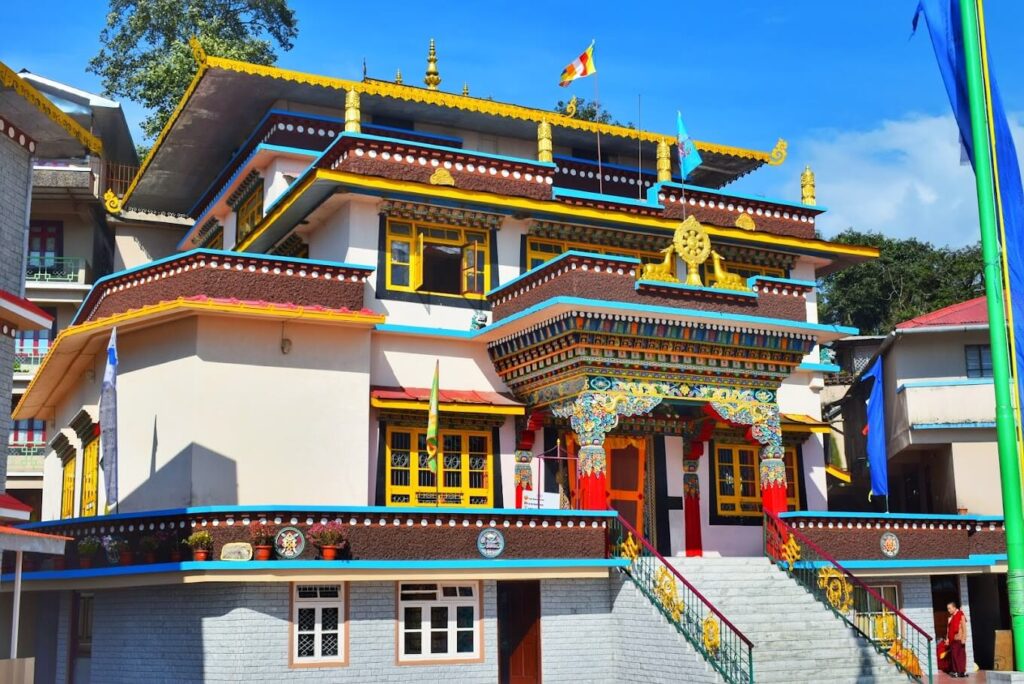
Gonjang Monastery is close to Tashi View Point, but surprisingly, many people miss it.It is not a tourist focused monastery. It is a working monastery. Monks live here full time, study here, and pray here.
When you visit Gonjang, it feels real. No fancy setups. No souvenir stalls. Just monks, prayer halls, and silence. If you want to see how monastery life actually works, this is a good place to stop.
Phensang Monastery
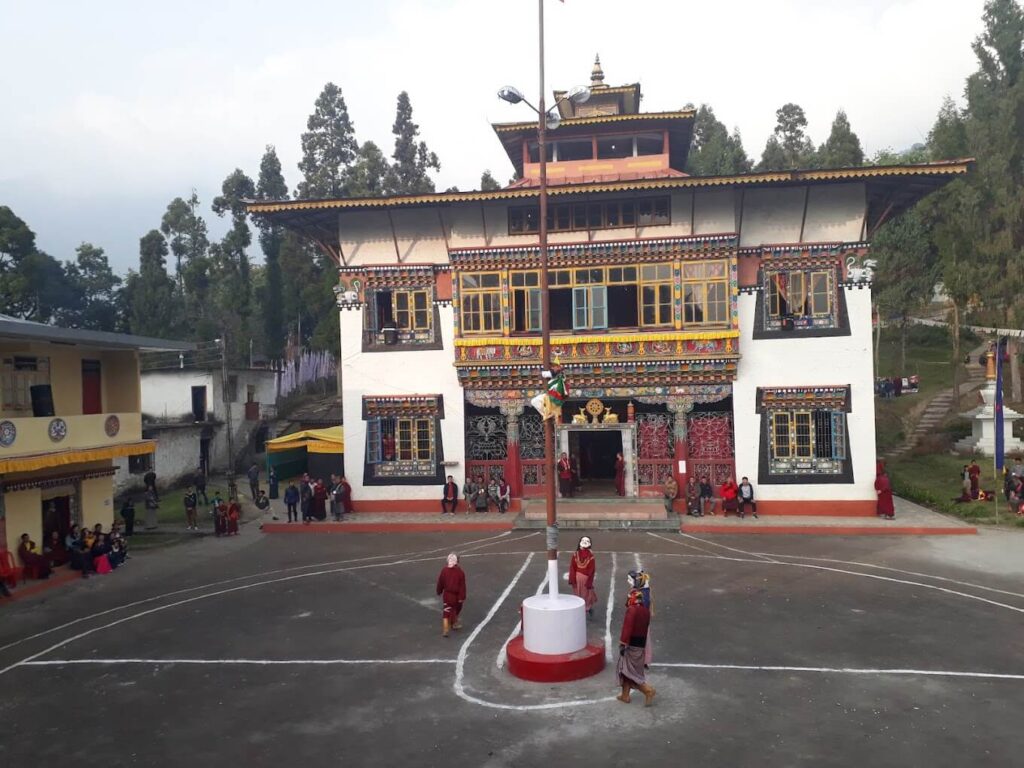
Phensang Monastery is slightly away from Gangtok, on the route that goes towards North Sikkim. This is an older monastery and it shows. The structure is simple. The prayer halls feel traditional. During religious days, locals come here in good numbers.
Phensang does not feel polished, and that is its strength. It gives you a glimpse of how monasteries functioned before tourism became common.
Tsugakhang Palace Monastery
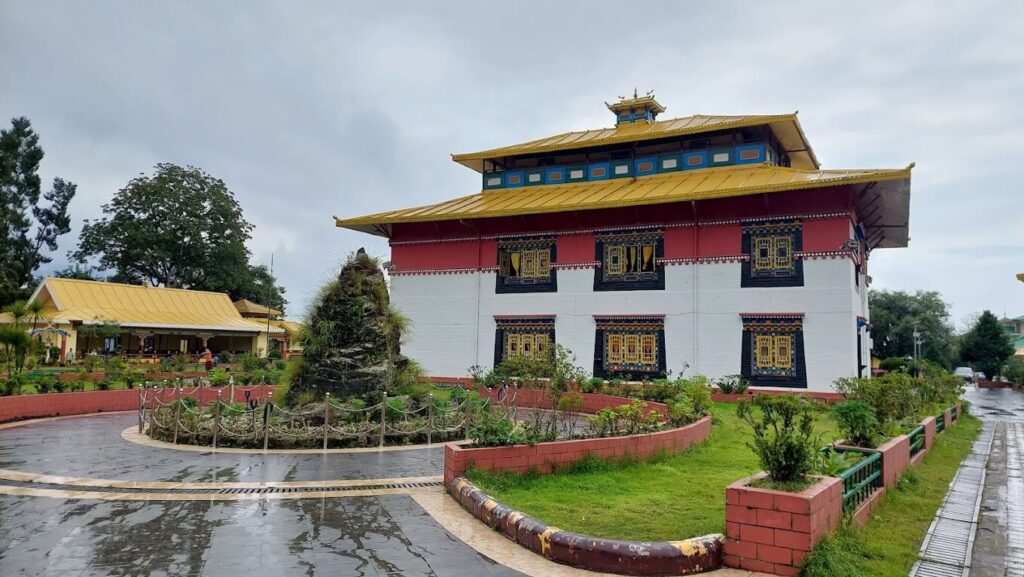
Tsugakhang is closely connected to Sikkim’s royal family. This monastery is important because many major religious ceremonies were held here. Even today, it plays a role during important events.
When you visit Tsugakhang, you are not just seeing a monastery. You are seeing a part of Sikkim’s history.
Sera Jhe Dro Monastery

Sera Jhe Dro is not famous, and that is why it is special. This monastery focuses on learning. Monks here spend most of their time studying texts and following discipline.
There is not much to “see” here, but there is a lot to understand. Places like this remind you that Buddhism is about learning and practice, not buildings.
Rumtek Monastery

Rumtek is one of those places everyone talks about when they come to Sikkim. When you reach there, you’ll feel it immediately. It’s not a casual place. People are serious here. Monks are busy. No one is just standing around for photos.
You’ll see monks walking fast, going somewhere, doing their daily work. Prayers happen at fixed times. Everything feels organised, but not in a showy way. You automatically lower your voice here. Not because someone tells you to, but because it feels wrong to be loud. This is not the kind of place where you rush, click pictures, and leave. You walk slowly. You watch. You stay quiet. That’s it.
Do Drul Chorten

Do Drul Chorten is right in Gangtok, so many people visit it without planning much. It’s not a monastery where monks stay. It’s a stupa. But don’t underestimate it. You’ll see local people here. Not tourists. Locals. Some come daily.
They walk slowly around the stupa. They spin the prayer wheels. No one is rushing. No one is talking loudly. Even if you don’t understand Buddhism, you’ll feel calm here. It’s one of those places where you don’t need instructions. You just stand quietly, and it works.
Do not treat monasteries like photo stops. Walk slowly, stay quiet, and dress respectfully. Remember, these places exist for prayer first, visitors second.
If you truly want to understand East Sikkim, don’t rush from one monastery to another. Sit for a while, watch the people, and listen to the silence. In those quiet moments, Sikkim speaks to you, and you begin to feel the heartbeat of its faith and daily life.
Traveling with people who understand Sikkim, whether locals or an experienced Sikkim DMC, often makes this kind of journey easier, because the pace matters as much as the places themselves.