
If you have ever sold a Northeast India package, you already know one thing.
On paper, it looks easy. In real life, it is not.
Photos of Sikkim, Meghalaya, Arunachal, and Nagaland are everywhere. Snow, waterfalls, clean roads, empty valleys. Clients see these photos and feel the destination should be simple to sell.
Many travel agents think the same. They make a package, put a rate, and send it. That is where problems start. Selling Northeast India is not difficult because people don’t want to travel. It is difficult because the destination is often oversimplified.
Below are practical ways to sell Northeast travel packages without hurting your profit.
Stop treating Northeast like a normal hill station
This is the biggest mistake.
Northeast destinations are not like Shimla, Manali, or Mussoorie.
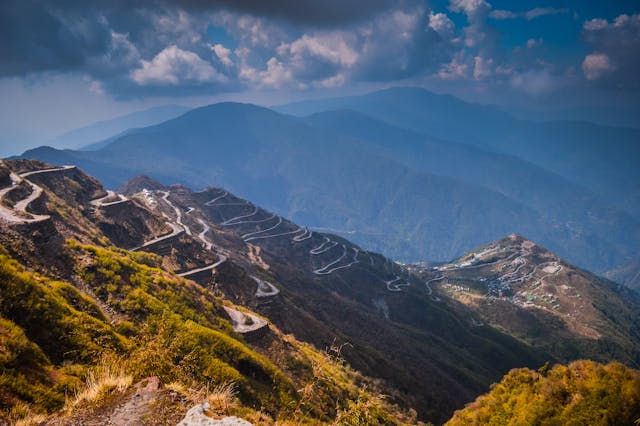
They are remote. They are sensitive. Many places depend on permits, weather, and local administration.
Still, some agents sell Northeast trips casually. Tight itineraries, fixed promises, no buffer, and no explanation.
When reality hits, the agent is forced to change plans, give discounts, offer refunds, and handle angry calls. Profit disappears very fast. Northeast must be sold with respect for ground reality, not with shortcuts.
Sell understanding, not just destinations
Most clients don’t actually understand Northeast travel.
They don’t know permits can get delayed, roads can close suddenly, hotels are limited in remote areas, and travel time is long. If you don’t explain these things early, they assume everything will run perfectly.
Then when something changes, they blame you. Agents who explain realities clearly face fewer problems. Clients become more cooperative when they know what to expect. Clear communication protects profit.
Never sell tight itineraries
Tight itineraries look good on WhatsApp. They look bad on the ground.
In Northeast India, landslides happen, weather changes fast, and traffic checks slow down movement. When there is no buffer, drivers get rushed, guests get tired, and mistakes increase.
And when plans break, you pay for it. Always keep breathing space in itineraries. Buffer time reduces stress, complaints, and unexpected expenses.
Don’t promise what you cannot control
This is very common.
Agents promise snow, specific lakes, exact routes, and perfect weather. But many things in the Northeast are not guaranteed.
The destination is not the problem.
The promise is.
If you clearly say, “This depends on weather and local permission,” most clients understand. If you don’t say it and something changes, trust breaks, and profit goes with it.
Sell the stay honestly

In many parts of Northeast India, homestays are not a backup option.
They are the main form of accommodation.
Remote villages, interior routes, and even some popular areas depend more on homestays than big hotels. This is normal for the region. Most stays in the Northeast are simple, clean, locally managed, and run by families or small owners. They may not have luxury heating systems, 24-hour electricity, hotel-style room service, or fast response time.
Some agents make a mistake here. They show city-style hotel photos or describe the stay like a luxury resort. Clients imagine something else. When guests reach and see a simple room, basic bathroom, or limited facilities, complaints start, even if the stay is actually good.
This is where profit gets affected.
The correct way is to explain clearly that this is a clean and comfortable stay, not a luxury hotel, the value is in the location and experience, not facilities, and homestays offer local food, warmth, and cultural exposure.
When hotels and homestays are sold honestly, guests adjust expectations, fewer complaints come, and refunds and forced upgrades are avoided. In Northeast travel, clarity about accommodation saves more money than discounts ever will.
Choose your clients wisely
Not every client is suitable for Northeast travel.
Clients who only ask for the cheapest option, show no interest in conditions, refuse to listen, or compare everything with mainland destinations usually cause cancellations, payment delays, and bad reviews.
It is better to lose a booking than lose money and peace. Good Northeast clients value experience, not just cost.
Always keep backup plans

In Northeast India, disruptions are normal.
Snowfall, roadblocks, or administrative decisions can change plans suddenly. Agents who plan only one route get stuck. Agents who plan alternatives stay calm. Even a simple backup like an extra day in Gangtok or relaxed local exploration keeps guests satisfied and reduces financial pressure.
Work with people who know the ground
Trying to manage Northeast tours remotely is risky.
Ground conditions change daily. Permits, vehicles, and road status need constant tracking. Agents who work with experienced local operators or a strong Northeast DMC usually get better information, avoid last-minute surprises, and handle changes smoothly.
This is not about promotion. It is about survival and stability.
Don’t rush to quote
Many agents quote first and think later. This is dangerous in Northeast travel.
Before quoting, you must understand the season, permit feasibility, vehicle availability, and client profile. When you quote without checking, you later revise prices, adjust services, and absorb costs. Slow quoting saves money.
Sell Northeast travel packages as it is, not as a fantasy
Northeast India is beautiful because it is raw, quiet, slow, and real. Selling it like a luxury, fast-moving holiday creates problems.
Sell it as experiential, nature-focused, flexible, and calm. Clients who like this style usually respect the destination and your pricing.
Northeast India is not a difficult destination.
It is a misunderstood one.
Most losses happen not because of high costs, but because of poor explanation, unrealistic promises, and rushed selling. Agents who slow down, explain clearly, plan buffers, and respect ground reality usually sell Northeast trips smoothly.
Selling Northeast well is not about quoting low. It is about selling correctly. And when you sell correctly, profit follows naturally.